

Interior design is the art of transforming empty spaces into functional, comfortable, and visually appealing environments. In today’s modern world, interior design is not just about decoration; it reflects personality, lifestyle, and creativity.
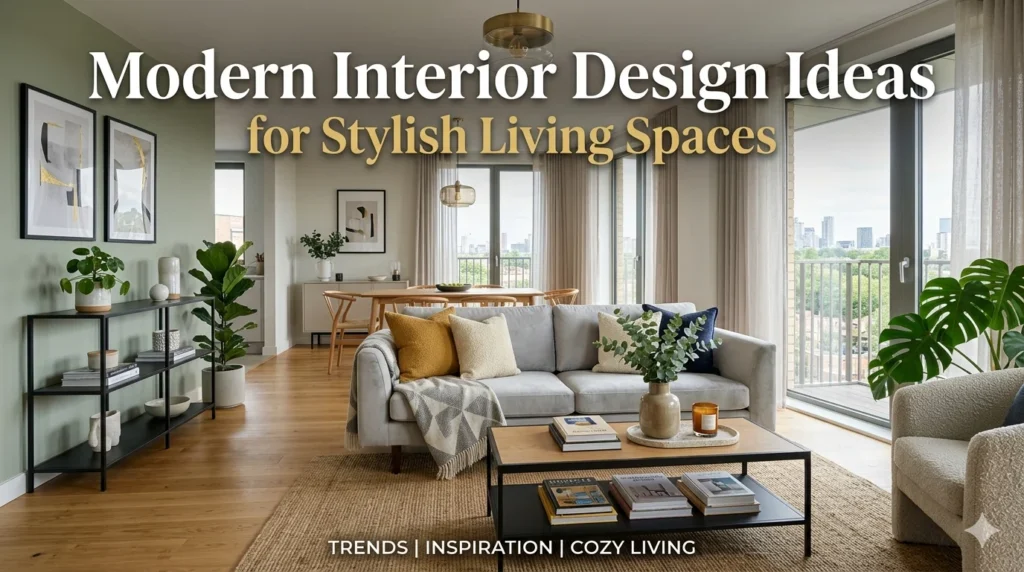
Modern interior design focuses on simplicity and functionality. Clean lines, open spaces, and neutral color palettes are key elements used in contemporary homes. Designers often use a combination of natural light, minimal furniture, and smart layouts to create spacious and calming environments.
One of the most important aspects of interior design is space planning. Proper planning ensures that every corner of a room is used effectively without making it feel crowded. This includes furniture placement, lighting design, and movement flow within the space.
Materials also play a significant role. Wood, glass, marble, and metal are commonly used in modern interiors. Each material adds a unique texture and character to the space. For example, wood adds warmth, while glass creates a sense of openness.
Lighting is another essential element. Modern interiors often use a combination of natural and artificial lighting to enhance ambiance. LED lights, ceiling lights, and decorative lamps are strategically placed to highlight design features.
Color psychology is also widely used in interior design. Soft and neutral colors like white, beige, and grey create a peaceful atmosphere, while bold colors are used for accent walls to add personality and depth.
Furniture selection is equally important. Minimalist and multifunctional furniture is preferred in modern homes to save space and maintain a clean look. Custom-made furniture is also becoming popular as it fits perfectly into specific design requirements.
Technology has also influenced interior design significantly. Smart homes now include automated lighting, temperature control, and integrated entertainment systems, making living spaces more efficient and comfortable.
Overall, modern interior design is about balancing aesthetics with functionality. A well-designed space not only looks beautiful but also improves quality of life by creating a comfortable and organized environment.